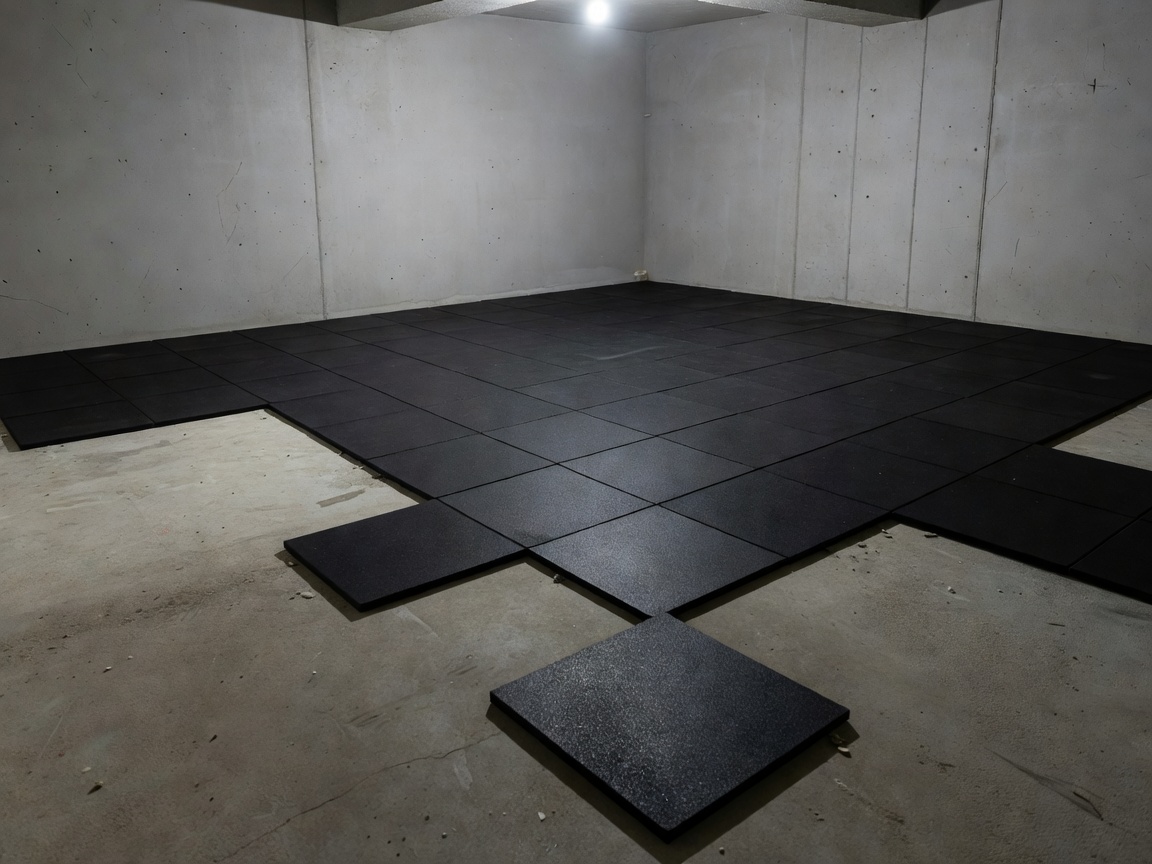
Guide 01 — Planning
Space, flooring and layout
Ceiling clearance, loading width for a 2.2 m bar, walk-around depth, and how foam tiles, rubber rolls, stall mats and a plywood platform genuinely differ in thickness, noise and cost of mistakes.
Home gym planning, without the hype
Most home gyms fail on geometry, not motivation. The ceiling is 20 cm too low for overhead work, the barbell cannot be loaded against the wall, the treadmill lives in the only walkway. These five guides start with the room, then work outwards to the equipment, the noise, and the upkeep.
No sponsored placements, no invented review scores, no affiliate links. Specifications are described as industry conventions and dimensions you can measure yourself.
The index
Each guide covers one decision layer. Read them in sequence if you are starting from an empty room, or jump straight to the one you are stuck on.
Guide 01 — Planning
Ceiling clearance, loading width for a 2.2 m bar, walk-around depth, and how foam tiles, rubber rolls, stall mats and a plywood platform genuinely differ in thickness, noise and cost of mistakes.
Guide 02 — Strength
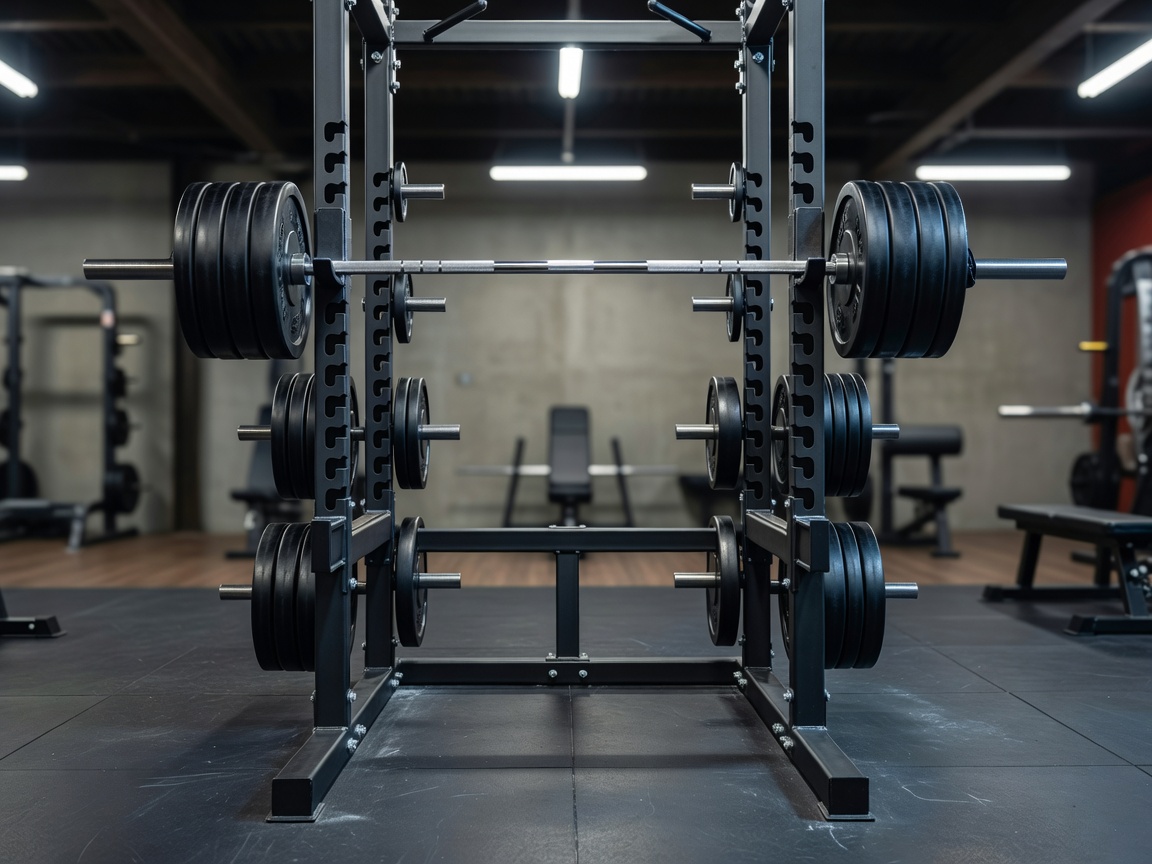
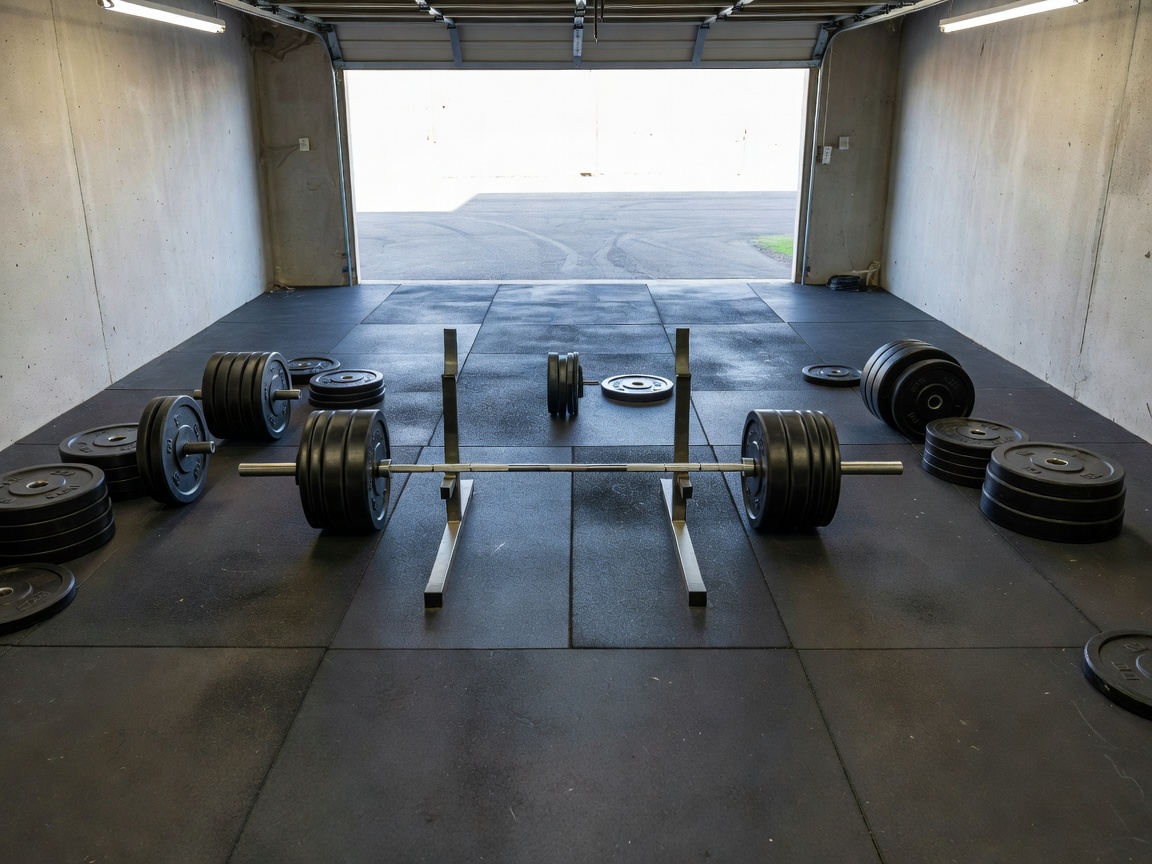
Squat stand versus half rack versus power rack versus folding wall-mount. Upright sizes, steel gauge, hole spacing, bar diameter and knurl, and where bumper plates beat cast iron.
Guide 03 — Cardio
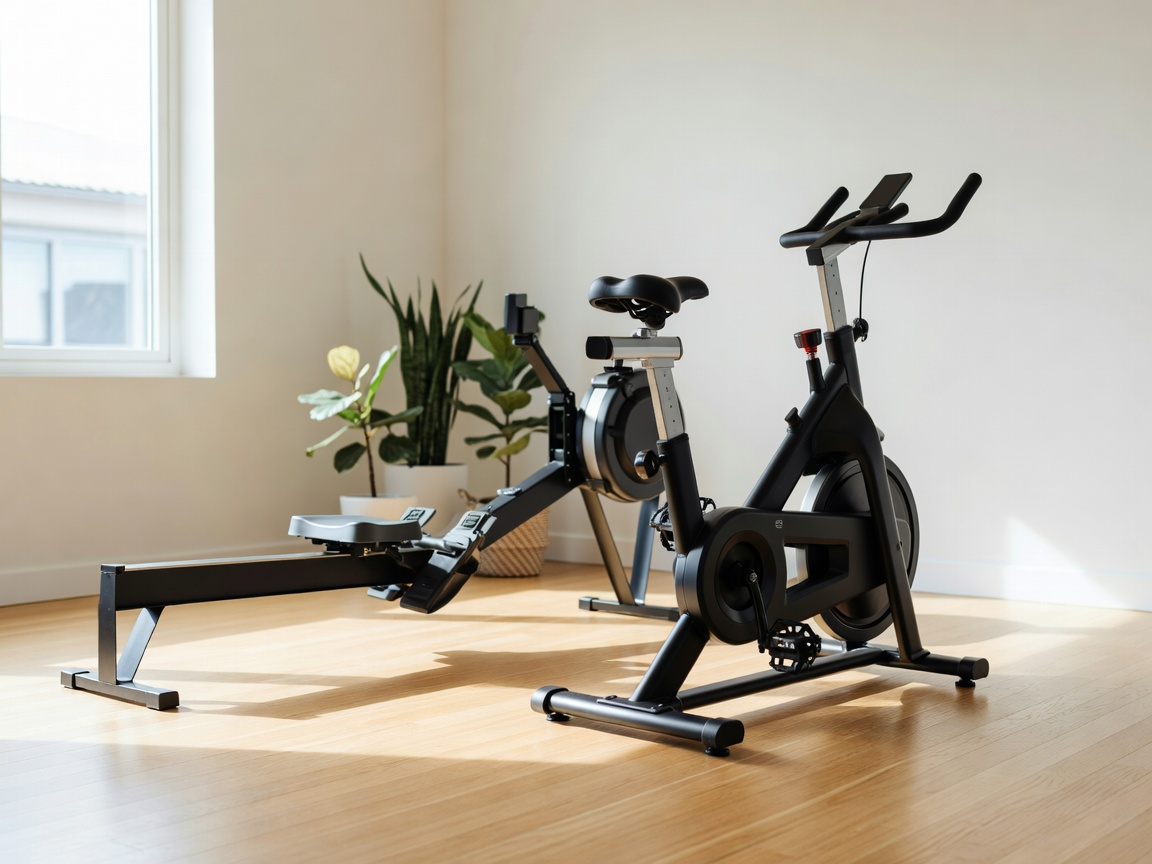
Treadmill, rower, air bike, spin bike, ski trainer, stair climber and elliptical rated on footprint, folded storage, noise transmission, power requirements and service demands.
Guide 04 — Small spaces
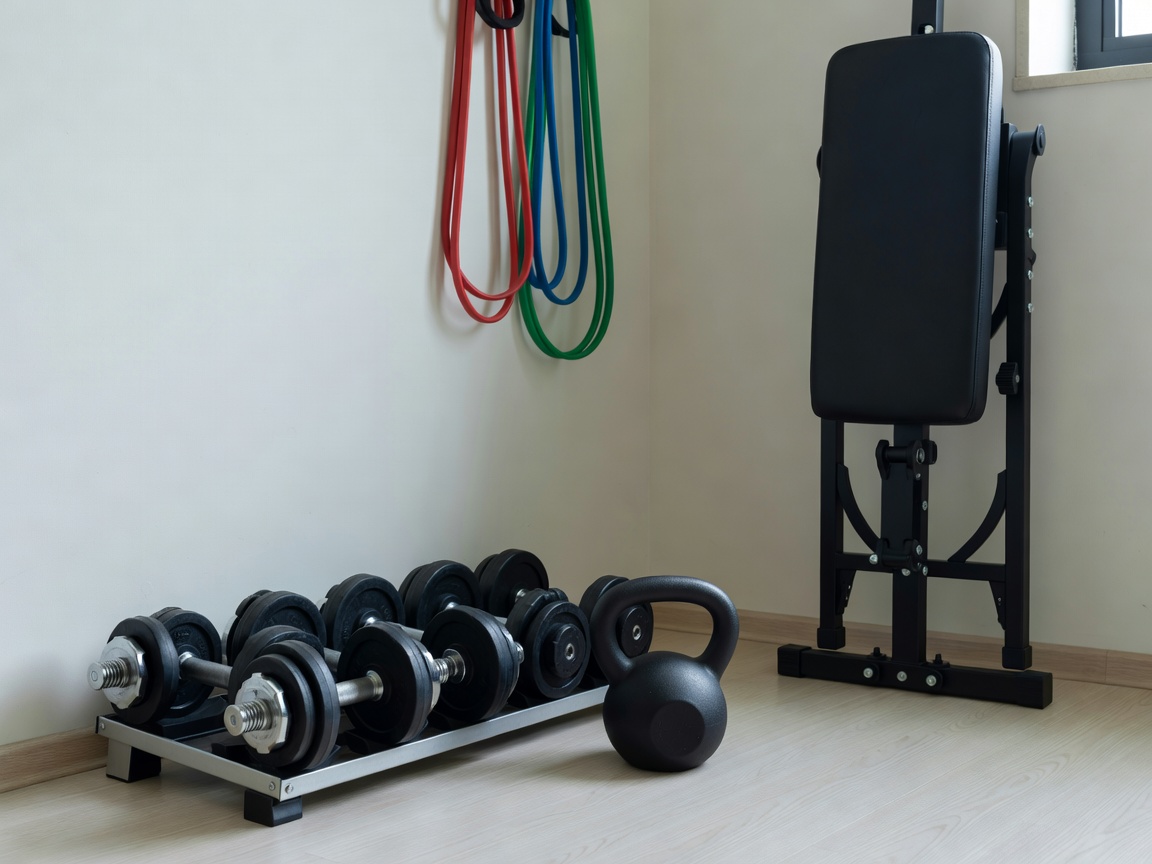
Adjustable dumbbell mechanisms, kettlebell ladders, suspension trainers, folding benches and wall-mounted racks — plus the floor, ceiling and neighbour constraints that rule things out.
Guide 05 — Upkeep
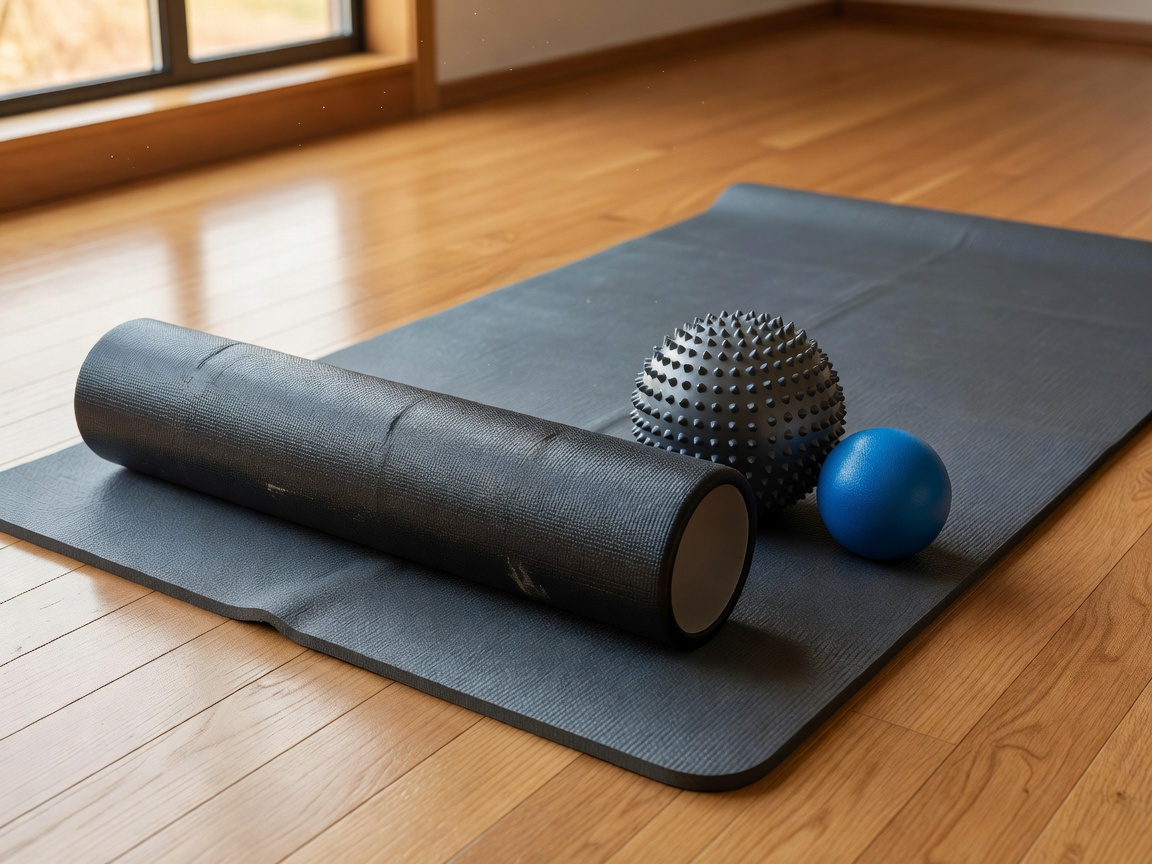
A weekly-to-annual service schedule for bars, bolts, belts and cables, humidity control that stops rust, and the small recovery kit that earns its shelf space.
Ask us
Stuck between a half rack and a folding rack, or unsure whether your ceiling clears a pull-up bar? Send the measurements and the constraint, and we will point you at the relevant section.
How to use this site
Almost every expensive home gym mistake is a measurement that was never taken. Work through these four steps before you open a single product page, and the shortlist writes itself.
Finished floor to the lowest fixed object — joist, duct, light fitting, garage door track. That number, not the room's nominal height, decides whether you can press overhead standing or hang a pull-up bar.
Mark the rack footprint, the bar length and the walk-around space on the floor with masking tape. Live with it for a day. Doors that no longer open are easier to notice at this stage than after delivery.
Shared walls, a bedroom below or a light timber floor will eliminate whole equipment categories. Choosing quiet gear deliberately is cheaper than retrofitting flooring and apologising to neighbours.
Flooring and a well-specified rack or bench outlast everything else in the room. Accessories can be added month by month; a rack that is 5 cm too tall cannot.
2.2 m
Length of a standard men's Olympic barbell — plan loading clearance at both sleeves
50 mm
Olympic sleeve diameter, the fitting that decides which plates and collars work
19 mm
Typical thickness of a 4 ft × 6 ft rubber stall mat used as gym flooring
45–55%
Relative humidity band commonly targeted in garages to slow rust on bare steel
We do not publish invented prices, review scores or claims of hands-on testing we have not carried out. Where a figure would need verification we could not perform, we describe the category, the trade-offs and the selection criteria instead — and tell you exactly which measurement or specification to check on the product page in front of you.